
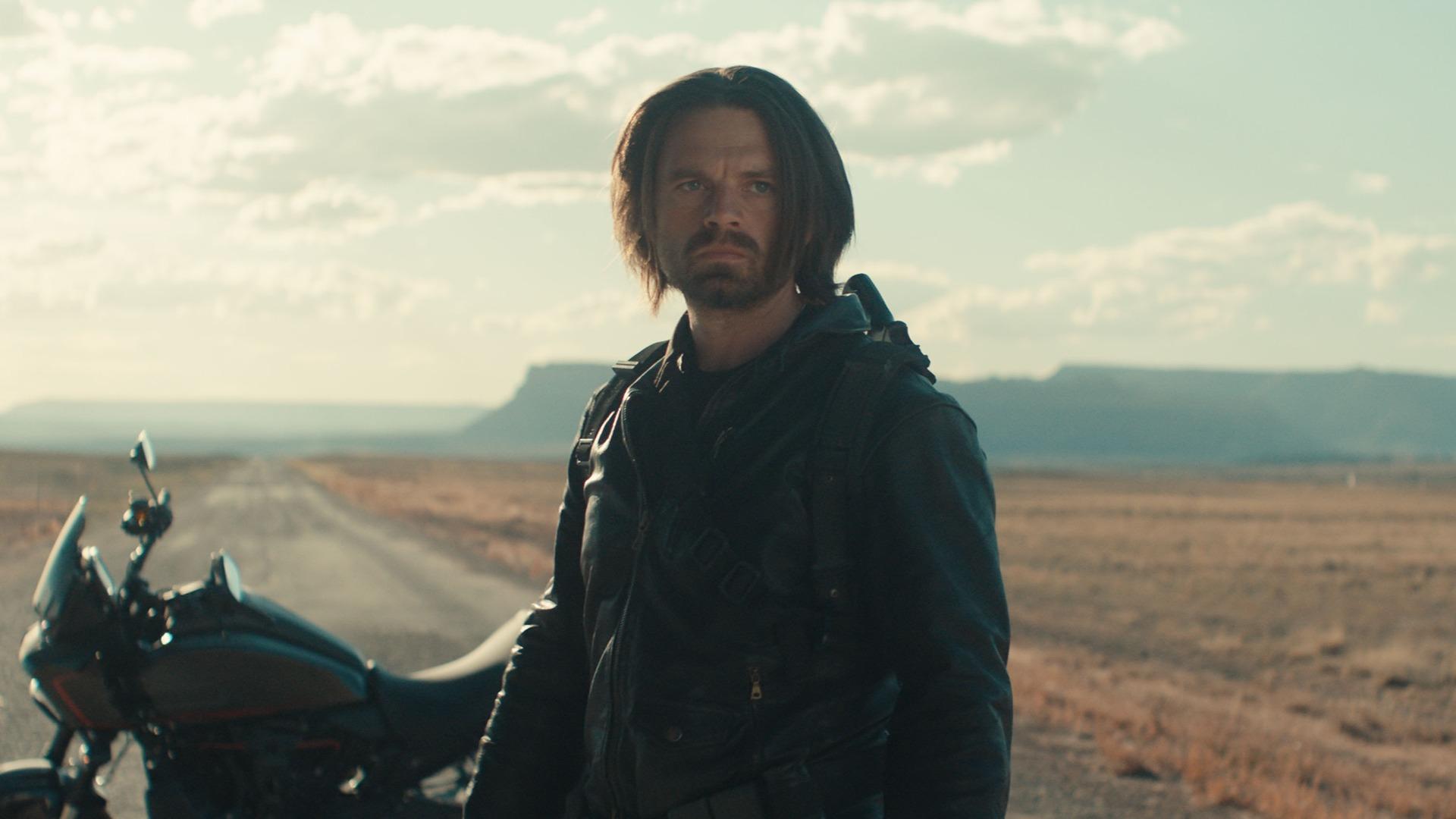
Thanks to Thunderbolts*, Bucky Barnes has achieved a rare feat for characters in the Marvel Cinematic Universe: appearing in every phase of the multi-saga mega-narrative.
Whether as Steve Rogers’s best friend and right-hand man or as the Hydra-brainwashed Winter Soldier, Bucky has been a fan favorite. The sentiment remains even 14 years after his debut in Captain America: The First Avenger. But as beloved and great as Bucky is, he didn’t need to be featured more than he was in Thunderbolts*.
It makes sense for fans to want more from him, especially as a character with a long history in the MCU. But Thunderbolts* is an ensemble movie. It’s not all about Bucky, nor should it be. He didn’t need to be the primary lead, and it makes sense that his traumatic past isn’t showcased like his teammates’.
The way Thunderbolts* continues Bucky’s story suits the progression of not only his narrative but the stories of his peers.
Spoilers for Thunderbolts* ahead.
Bucky Barnes Had Character Growth Before Thunderbolts*

Thunderbolts* is about people overcoming trauma and using their abilities to do good and be heroes. Bucky, more than anyone else in the group, understands that — he already lived it. Marvel has told that story for him across several projects. For once, Bucky is the stable one. That’s why the movie didn’t need to have a greater focus on him.
Captain America: The Winter Soldier reveals Bucky as Hydra’s ultimate weapon. From there, Bucky’s narrative explores how he became the Winter Soldier, the grief and trauma he carries because of it and how he moves past it.
In Avengers: Infinity War and Avengers: Endgame, Bucky returns to the heroic role he served in World War II. Only this time, he’s fighting to save the entire universe. This is where his redemption ultimately begins. But while Bucky may have already been rid of the Winter Soldier programming, he hadn’t addressed his trauma yet. This is where The Falcon and the Winter Soldier comes in.
The Disney+ series illustrates a crucial part of Bucky’s story by showing how he works to move past his Winter Soldier days. He’s on his own, figuring out what he wants and how to make a life for himself. He (mostly) goes to his court-mandated therapy and works to make amends with those he wronged as the Winter Soldier.
With the help of his tough love therapist and Sam Wilson, Bucky learns how to put his Hydra days behind him. Will he always carry the trauma it came with? Yes, but it no longer defines him. All of this is crucial context for how Bucky gets to the mentally well mindset he possesses in Thunderbolts*.
Thunderbolts* is a New Chapter for Bucky Barnes

Thunderbolts* is the beginning of Bucky’s next story. He’s a congressman representing Brooklyn who wants to take down corrupt CIA director Valentina Allegra de Fontaine. Then he inadvertently becomes an established hero as part of the New Avengers. He knows his trauma but doesn’t linger on it. He lives with the pain without it controlling his life. Thunderbolts* is about moving forward, and that’s exactly what Bucky is trying to do.
Though there are surely non-Hydra, pre-Winter Soldier activities that Bucky is ashamed of, those Winter Soldier days are his greatest trauma. We’ve already seen what Bucky’s worst shame rooms would have been like.
Like Bucky says in Captain America: Civil War, he remembers all of the murders he committed as the Winter Soldier. That includes killing Howard Stark, someone he knew and worked with during World War II. So there was no good reason to revisit that in Thunderbolts*. The sarcastic comment Bucky makes about his past while in Bob’s shame room is enough to acknowledge his trauma, show off his personality and progress the story.
Other Characters Needed (and Deserved) Screen Time in Thunderbolts*

Unfortunately, as great as additional Bucky content would be, the movie shouldn’t have more Bucky moments just for the sake of it. Because Bucky’s story has already been covered well, the other characters needed the screen time. If Bucky was going to get more screen time, it should’ve been nothing more than just a brief explanation of why he decided to run for Congress (and perhaps an extended shot of his stylized hair in the post-credits scene, because it’s magnificent).
Bob, in particular, needed every second he had. Of the Thunderbolts* group, he was the only character brand new to the MCU. So Marvel had to introduce him, explain his story and establish the character in this movie alone.
Yelena Belova, meanwhile, was the primary focus of Thunderbolts*. It worked well for the story and her character development. Letting Yelena be the central point of the narrative is important, because the MCU hasn’t often done its women justice. Exploring Yelena’s depression, grief and search for purpose allows her to be the strong lead she deserves to be. Not to mention, the movie innately sets her and Bucky up as the leaders of the New Avengers.
Beyond Yelena and Bob, if any other characters were to receive more screen time, Ava Starr/Ghost and Alexei Shostakov/Red Guardian would be solid choices. They’re known well enough, but there’s still plenty that fans could learn about them. Or, better yet, give Antonia Dreykov/Taskmaster more of a story so her role doesn’t feel unnecessary.
Being the Focal Point in Thunderbolts* Isn’t Bucky Barnes’s Style — Anymore

This isn’t to say Bucky can’t be the lead or doesn’t deserve to be the main character, but it makes sense that Bucky isn’t under the spotlight. The Bucky first introduced in the MCU is not the same Bucky in the Thunderbolts*. He’s not exactly outgoing or comfortable with attention anymore.
In The Falcon and the Winter Soldier, he’s hesitant to go on the date Yori Nakajima sets him up with. It’s not because he has no interest in Leah, the waitress he’s set up with, but because it’s not his style to just put himself out there like that anymore. This is a departure from the Bucky in Captain America: The First Avenger who eagerly goes on a date to the Stark Expo and is in disbelief when ignored by Peggy Carter in favor of Steve.
In Thunderbolts*, Bucky also stumbles and repeats his words when speaking with the media about the impeachment trial for Valentina. He seems eager to represent his constituents and do what’s best for them. However, he’s clearly uncomfortable with the public-facing aspect of his new position.
That said, what Thunderbolts* showed feels true to who Bucky has become. He can take lead and wants to do good. He guides the New Avengers and helps save Bob and the world. He even encourages Mel to help take down Valentina. But he’s not eager for accolades or looking to be in the limelight. The attention he receives is just something he deals with and accepts.
