
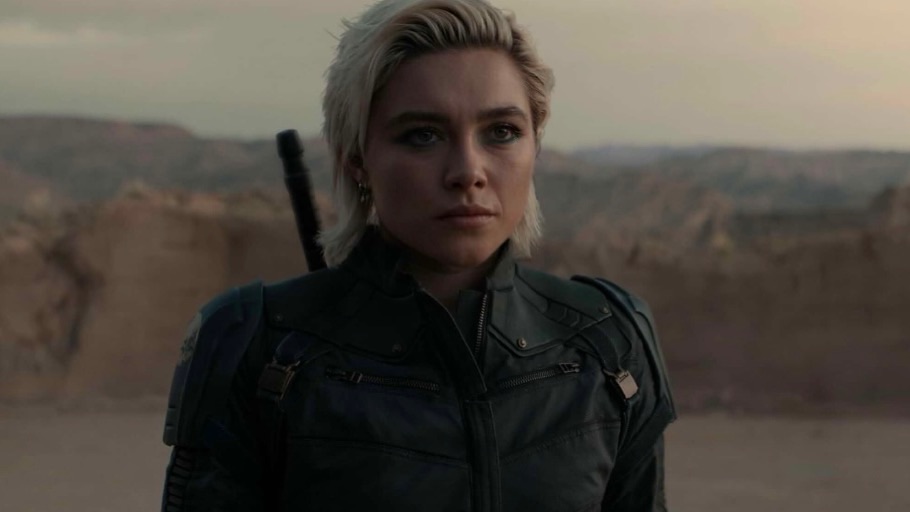
If you walked out of Marvel‘s Thunderbolts* feeling like you’d defend Yelena Belova or Bob Reynolds with your life, you’re not alone. Out of the group of six misunderstood heroes that make up their team, our hearts felt most connected to this new partnership.
Being a hero was the last thing Yelena and Bob wanted out of their lives. Yelena purposefully wanted to stray far away from the lifestyle that claimed her sister. And for Bob, he simply wanted an escape from his struggle. Their journey of trying to heal from their depression, fueled by mistakes, regret, and feelings of unworthiness to live, was heartfelt. Yelena and Bob’s character growth was aided by the inner reflection they provided for each other. The film’s narrative was driven by the display of emotions, not combat.
There are a lot of people in this real world who experience anxiety, depression, self-doubt, and isolation. Yelena and Bob’s dynamic tells a story of two people finding comforting support in each other while actively battling depression and trauma. People can now feel seen on a big screen by fictional characters being vulnerable in showing real-life human emotions.
The MCU needed characters like Yelena and Bob to reconnect audiences back into their world of superheroes. Especially in a post-Avengers: Endgame world. Many in this fictional universe lost everything and everyone they’d ever known after the war. Thunderbolts* needed to give us a message that’ll hold more emotional weight than focusing on action and thrill, with the occasional personal storyline for a particular character.
MORE: Read our review of ‘Thunderbolts’ here to read why we think it shines in the MCU catalog
Their Bond Feels Genuine, Although Quickly Formed

Directed by Jake Schreier, Thunderbolts* takes audiences through an emotionally impactful journey of anti-heroes finding their purpose and belonging after Avengers: Endgame. For Yelena and Bob, their survival had felt like more of a heavy burden than a gift of life.
Their stolen glances, soft and grounding touches, and outright confessions of wanting to keep the other safe from harm happened upon hours of meeting the other. Yelena literally walked into Bob’s powerful and consuming void of darkness (known as Sentry) to save him from himself. Being with Bob had pushed her to confront her fear of losing people. She hadn’t found anyone who truly understood what it was like to be consumed by their negative self-talk before him.
Their connection was genuine, and in return, they became protective of each other for good reason. They didn’t want to lose each other. Yelena and Bob’s dynamic feels new and fresh for the franchise because their protectiveness wasn’t for show. It wasn’t because they shared the same team, or they needed each other’s powers for a mission. They wanted to keep each other safe and alive so they’d both begin to heal from their pain together.
Their Dynamic Feels Unprecedented for The MCU
Yelena and Bob are far from perfect in both hero and human form. They both have emotional and physical scars from their mistakes, life experiences, and childhood trauma. Bob had been vulnerable to manipulation due to his low self-worth all his life. His godly alter Sentry uses this to his advantage because his powers are triggered by Bob’s emotions. Sentry often degrades him for merely trying to heal from his past of addiction and mental health issues as a teenager.
Yelena was abandoned by her family multiple times in and after the events of Black Widow (2021). She had nobody to care about her enough to stay with her. As a child, she was thrown into Widow assassin training to become a killer. This comes after being kidnapped by the Russian military with her sister, Natasha Romanoff. They eventually grew apart during her young adulthood years and had to go through life alone. Yelena also experienced psychological torture and emotional abuse that no child should go through as a Widow.
Losing Natasha and once again becoming distant from her alcoholic super-soldier father Alexei, had ruined her. Those were deeply impactful moments that taunted Yelena once the world fell quiet after Avengers: Endgame. She lost her purpose in life after falling into a mindless routine of using her Widow training to work on assignments for the corrupt CIA leader Valentina in Thunderbolts*.
Yelena and Bob had fallen halfway into the internal darkness that told them how unworthy of life they were when they met the other. That moment where they met eyes after Bob named their clouded minds “the void” upon Yelena’s struggle to speak while vulnerable had been special. It was a moment where two people could feel their feet on the floor and breathe normally for the first time.
They Thought They’d Live Forever in Darkness Until They Met

Such insight on Yelena and Bob’s depressive episodes and feelings of consuming darkness was shared through explicit spoken dialogue between the two. Thunderbolts* took the time to bring us into their feelings and struggle by showing and telling us how they felt and why. Rather than having audiences speculate when character growth and healing happened off-screen for Marvel characters.
As fans, we’re able to truly connect with Yelena and Bob not only as fans of their hero abilities but as human beings. And we’ve only just met them.
A connection like theirs makes the found family aspect of a team of unlikely heroes feel believable. No villain, corrupt technology, or gods can take away such a bond formed between two people who allow the light in to fight off the darkness around each other.
Yelena and Bob found that once-in-a-lifetime connection in each other after thinking all they’d know in life was loneliness and despair. A story like this is what the MCU needed to reconnect with its audience. In embracing Bob by saying they’d walk through their troubling thoughts together to comfort the other, Yelena gave us a comforting assurance that we’d find our person in life. No matter how impossible it feels when at your lowest.
Marvel’s Thunderbolts* is playing now in theaters!
