It’s a funny thing, art. Sometimes we appreciate the same thing differently depending on when we watch it or read it. It is all, after all, very much subjective. A matter of perspective, as you will. In that regard, Lilly, a profile of Lilly Ledbetter’s courage and resilience as she faced discrimination and sexual harassment over her long career, is better appreciated now than perhaps it was even just a year ago. Ironic, isn’t it?
Perspective.
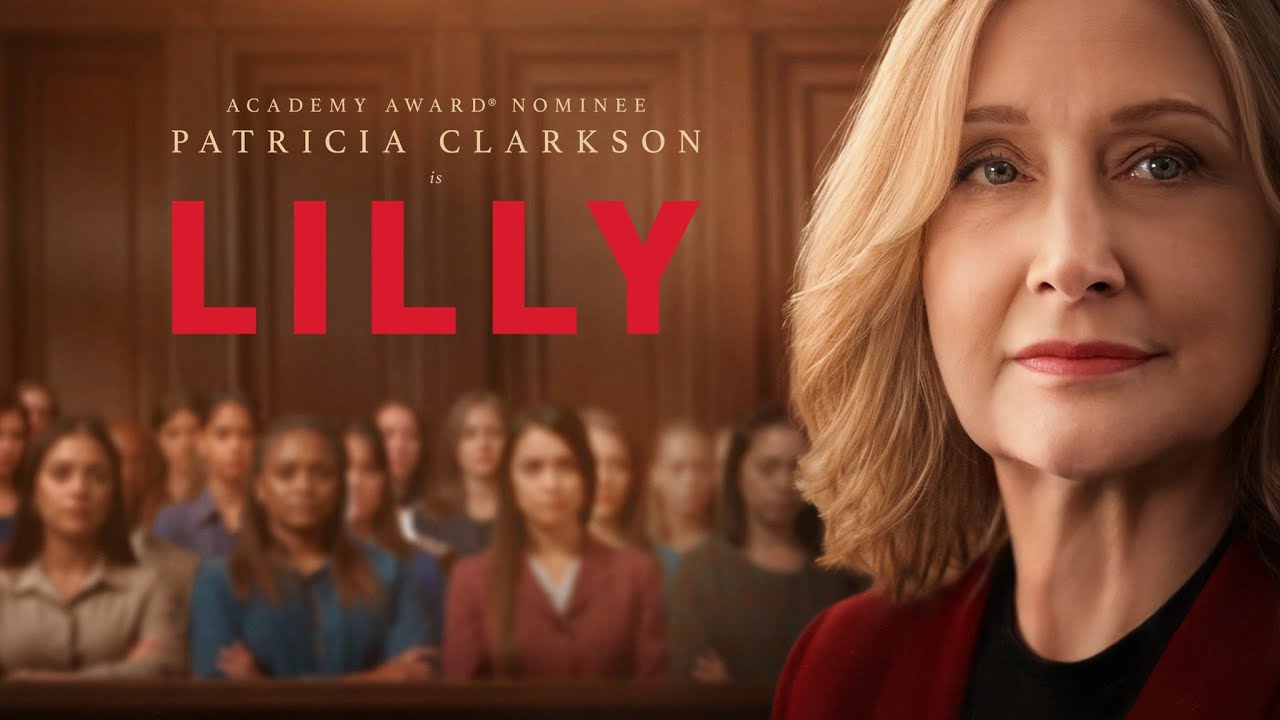
The movie, led by the thoughtful if at times understated, down-to-earth performance of Patricia Clarkson—though how else can you play Ledbetter than this?—is directed by a Rachel Feldman, who feels like she understood the assignment. Perhaps, some might say she understood the assignment too well, as the film often feels too subtle for the times we live in.
Every once in a while, I patted myself on the back for understanding what the movie was going for anyway, and every once in a while, I stopped and wondered if the movie would have been better off being a little more heavy-handed. If the audience of today, perhaps, needed. But art isn’t about spoon-feeding the audience, I reminded myself. And even if she had, the people who really needed to understand just wouldn’t have. So there wasn’t any point in even trying.
Plus, the movie isn’t always subtle. It’s very direct, particularly near the end. This is a docudrama, after all. One based on a real-life story, one that someone even mildly familiar with politics in the last few decades will recognize. This is a story for those people, but it’s also a story for those who don’t recognize her name. For those who have no idea where those rights come from. And for those who are too young to know. It’s a story for those who will watch it ten years from now, or twenty or thirty. It’s a story so we don’t forget.
Ledbetter’s name is fairly recognizable now, and her fight, one that ended up benefiting so many of us, is one that feels not just crucial but immediate. In fact, it’s almost too immediate at times, too. I know, I contradict myself. It’s too subtle, but it’s also too immediate. But perhaps that’s why, for some, there’s no urgency to the tale.
Ironically, the problem with the movie is something that’s not a problem with the movie. The Lilly Ledbetter Fair Pay Act of 2009 was passed only a little over fifteen years ago. Sometimes we’re better about appreciating things that feel much farther away. And yet that doesn’t mean this isn’t a story that shouldn’t be told. Or that this isn’t a worthy retelling.
These days, happy endings feel like a dime a dozen. This isn’t a new happy ending, but it’s a happy ending nonetheless, and re-living it feels like a win. I enjoyed that win, and I enjoyed how the win didn’t feel like I was climbing a mountain to get there. It wasn’t a big deal; it just was. Because that just made me feel like there could be many more wins ahead.
Lilly is available to buy or rent on Amazon Video, Apple TV, and Fandango At Home.
