If you haven’t heard of Heated Rivalry, this is your chance. Heated Rivalry, the upcoming TV adaptation of Rachel Reid’s queer romance novel, has made a surprising and hopeful leap in visibility with HBO Max picking up the show for an international release. But what does that mean not just for the series but for the future of queer romance?
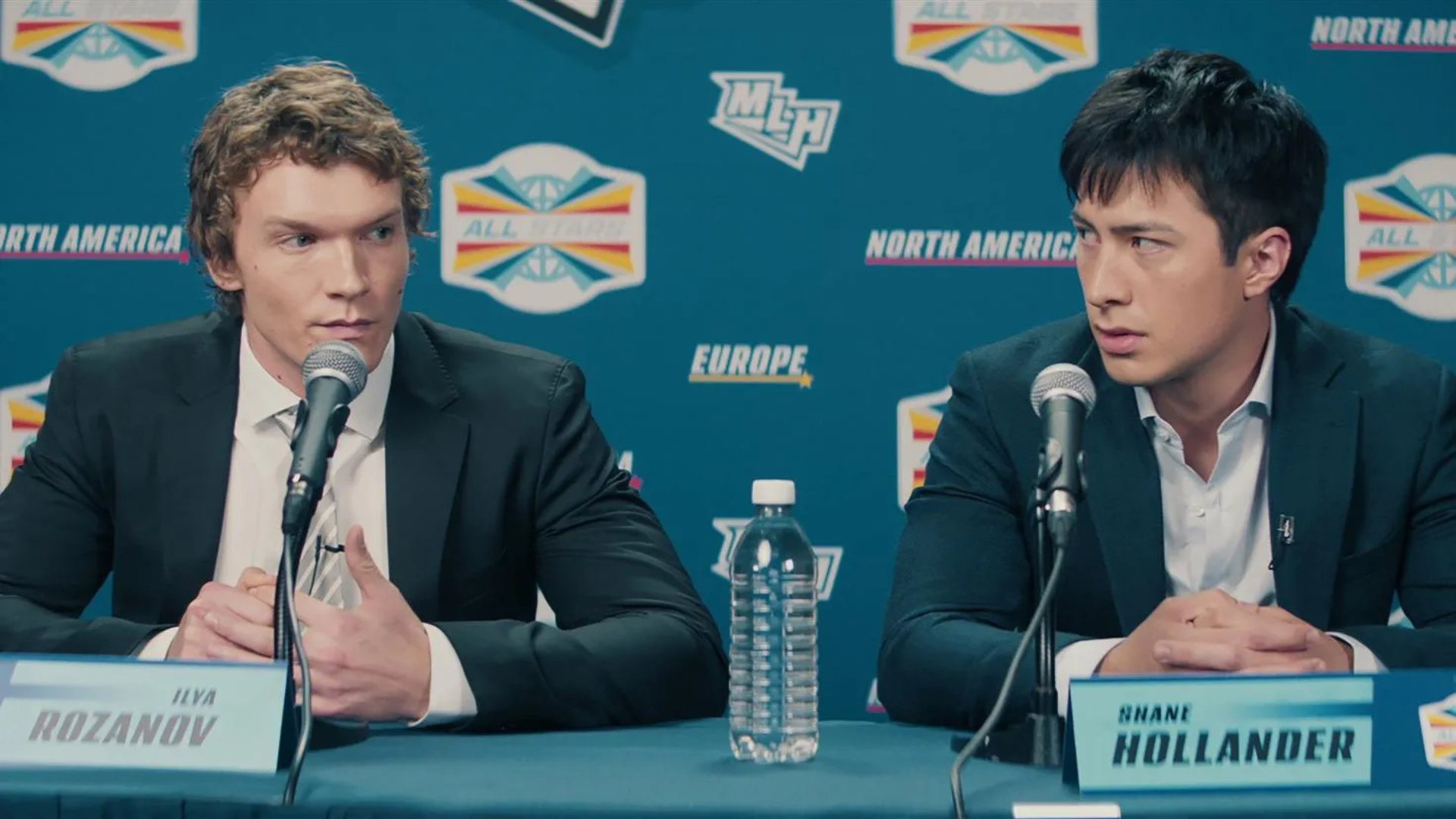
For years, queer romance readers embraced the novel for the story it told. It gained a passionate fan base that shared Ilya and Shane’s story on social media. Personally, I’d been following Heated Rivalry for some time, ready to become a Canadian for it. That’s because, originally, Canada’s Crave developed Heated Rivalry as an exclusive release.
HBO Max later acquired Heated Rivalry— everyone, say thank you. But this fact didn’t just make watching the show convenient for some of us; it almost instantly widened its reach to fans internationally and signaled a growing industry shift toward queer book-to-screen adaptations in everyone’s near future.
Queer storytelling already has a big community. But an originally Crave-only release now streaming internationally shows how quickly things are changing, especially as more novels with LGBTQ+ romance find their way to streaming networks and mainstream platforms.
Pure Romance Adaptation in a YA Landscape

Being someone who follows a lot — and I mean a lot — of book-to-screen adaptations, I can say that Heated Rivalry stands out. It’s one of the few pure romance queer novels getting adapted right now. Pure romance, in this case, means that the story itself is centered around the romantic relationship. If you took out the romance, the plot wouldn’t exist. This is exactly what’s making Heated Rivalry stand out.
Most adaptations lean toward YA coming-of-age arcs instead of purely romantic ones. This makes Heated Rivalry different from a lot of queer novels being adapted right now. Many queer book-to-screen adaptations fall under YA or contemporary fiction with romance elements. But Shane and Ilya’s story sits strictly under the romance genre. This series alone makes it noticeable, and not only for the jaw-dropping hockey elements.
That being said, fans clearly believe in this series. Their confidence shows how much of a long-term investment it can be. Studios often renew many series for multiple seasons, but rarely queer novels. If this adaptation does well, there is already a possibility of its counterpart, The Long Game, becoming adapted as well. The Long Game isn’t just the next book—it’s the sixth book in Rachel Reid’s book series. Heated Rivalry is book two.
That alone shows how much potential this series has for queer romances. There is a real chance for long-term storytelling here. When streamers pick up series — or even novels — they’re looking towards the future. They aren’t treating these projects as one-offs. They look at them as potential multi-season and franchise-worthy properties.
A Clear Trend: Queer Books With Romance Are Finally Being Seen

In other words, Heated Rivalry isn’t just another adaptation in the works. It’s a development for something in the near future — both in its own series and in the expansion potential it represents for an industry that looks at queer romances.
In the past few years, queer books have made a noticeable leap from page to screen. And not just in YA, it’s happening across the entire genre. Fans’ enthusiasm toward these novels and the content within them is a strong community that thrives especially on social media. If anything proved the demand for Heated Rivalry, the book did when it resurfaced on BookTok and reached readers who hadn’t heard about it, especially in hockey romance spaces.
This happened long before the studio announced the adaptation. The love for the series was already there. It just needed a platform strong and enthusiastic enough to match it. While not all recent adaptations come from pure romance novels, the drive across queer books with romance is undeniably here.
Queer Book Adaptations Aren’t a One-Off

A few pure romance adaptations like Red, White & Royal Blue are already streaming on Prime Video, with a sequel in the works. Upcoming projects like the adaptation of They Both Die at the End– which was a fan favorite years ago–show that streamers are not only aware of these stories but also willing to invest in them. And they’re investing in the ones where the romantic relationships are important and central to the plot.
We love our book-to-screen adaptations in any genre, and fans prove that every time. But queer book-to-screen adaptations haven’t always been part of that trend — and the fact we’re seeing them now says everything.
At the same time, we all know YA and contemporary novels with strong romantic arcs are shaping this current trend. They’re influencing what queer novels get adapted next. Netflix’s Heartstopper, adapted from Alice Oseman’s graphic novels, has become one of the most successful queer adaptations in recent years. The series earned three seasons, and a feature-length film is also in the works, proving its success even more.
Meanwhile, Australia’s adaptation of Invisible Boys shows how international markets are picking up these novels and expanding queer narratives on screen. It reinforces the idea that people don’t have to confine queer stories to one genre. They can stand out, gain attention, and make viewers feel seen–especially when they appear on screen.
These adaptations are clearly important and illustrate a clear pattern: major platforms are adapting queer books with romance more frequently and giving them real homes. The growth is insane, and online communities such as TikTok, especially BookTok, drive a lot of the momentum. It pushes these stories to many, elevates them to bestseller lists, and makes these stories impossible for studios to ignore — along with recognizing the impact they make.
Heated Rivalry’s Place in a Bigger Future

Heated Rivalry is more than a moment in queer romance time. It reflects something bigger for the community than one single adaptation. Its move from a Crave-only release to HBO Max shows the ability for queer romance for all fandoms to acknowledge Heated Rivalry. With the rise of these adaptations across pure romance novels and YA titles with romantic arcs.
As more book-to-screen adaptations succeed, Heated Rivalry stands out. It is a meaningful project and a clear example of where the industry could be heading: perhaps a future where pure romance book-to-screen adaptations aren’t taboo and where creators give queer love stories the space and visibility to last long-term.
This shift could also open doors for more titles — especially Heated Rivalry. And if that happens, more books like The Long Game could mark a significant step toward bringing more queer romance to television. One thing is clear: queer storytelling’s momentum is at an all-time high, now more than ever.
Check out the trailer below:
What do you think? Is Heated Rivalry part of the rise in queer novel adaptations? Tell us in the comments!
Heated Rivalry‘s first two episodes premiere on HBO Max, November 28th in the US, as well as on Crave in Canada.
