
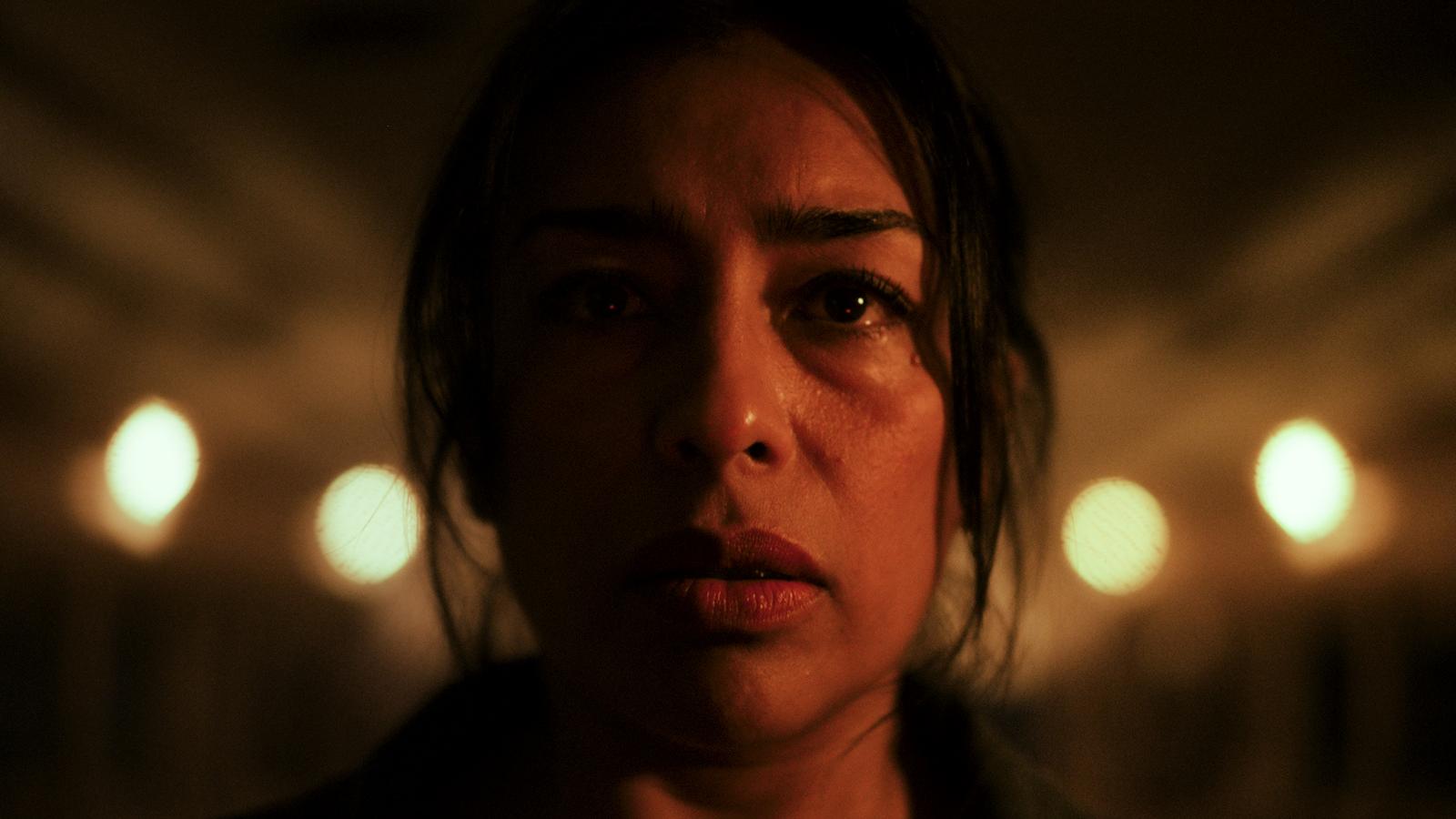
La Cazadora, from writer-director Suzanne Andrews Correa, is a riveting look at what it means to be a woman in a society (and circumstances) that seem to exist to silence you and even hurt you. At the center of it is Adriana Paz, whose Luz is a woman haunted by not only the pain she has suffered, but the one that has been inflicted on those around her, and by what could happen to her own teenage daughter.
It’s not an unfamiliar story, and yet it’s perfect in its specificity. Sometimes there’s a notion that stories that are too specific are harder for people outside of the very limited circumstances they depict to relate to. I find that isn’t truly the case. That this is very specific to Juárez, Mexico, doesn’t make it any less relevant, no matter where you’re watching it from.
Not just that, specificity gives you something you cannot really achieve anywhere else, and that is truth. You cannot tell broad stories with any level of realism, because people are different and circumstances are different. And if you try, the result is unlikely to be as good as a story about a specific woman in specific circumstances. Because yes, even if we’ve never lived them and likely never will, we can still relate.
Paz’s outstanding performance grounds the movie, with the actress, who was already a high point in the very controversial Emilia Pérez, bringing a screen presence that at times feels warm and at others electric. And though she is without a doubt the foundation that holds the movie together, this is the rare movie that draws you in with acting and keeps you with visuals that are at times confusing, and at others wildly intriguing.
There’s a little bit of horror movie in the visual choices La Cazadora makes, not enough to take you out of the crime drama genre, but enough to make it feel new. Stories about women in pain are aplenty, sadly. And as specific as this one is, a movie needs something to make it stand apart. In the case of La Cazadora, it is very much Paz and the reality that life can sometimes be a horror movie—and that the movie recognizes this reality enough to make it palpable.
It’s important to understand that the movie, based on true events about a female vigilante who murdered two bus drivers in 2013 in retaliation for their sexual assaults of women, isn’t exactly history. Consider it historical fiction. There’s just a very rich story to tell there, particularly when you consider that in real life, after the murderers, this vigilante sent a letter to the newspapers, signing off as “Diana the Huntress.” But in La Cazadora, just as in real life, it’s not the violence that matters. It’s what comes after.
Like community. Like people finding each other in the darkest of times and lending their neighbor a helping hand. Like women fighting not just for themselves, but for other women, in a world that will never fight for them. And this story—and the message—make the movie a must-watch, even in a world where so many similar stories are already being told.
La Cazadora premiered at the Sundance International Film Festival 2026.
