
One of the things I hate about vertical dramas is the AI of it all. Sometimes it’s genuinely hard to find ones that aren’t AI, because the apps decide to make every poster look like an AI production. And that’s frustrating, because part of the reason I started watching verticals in the first place was the actors. I will tell you right now: some vertical drama actors are more talented than actors booking conventional television and movie roles.
Yes, I went there. It’s the hill I am standing on.
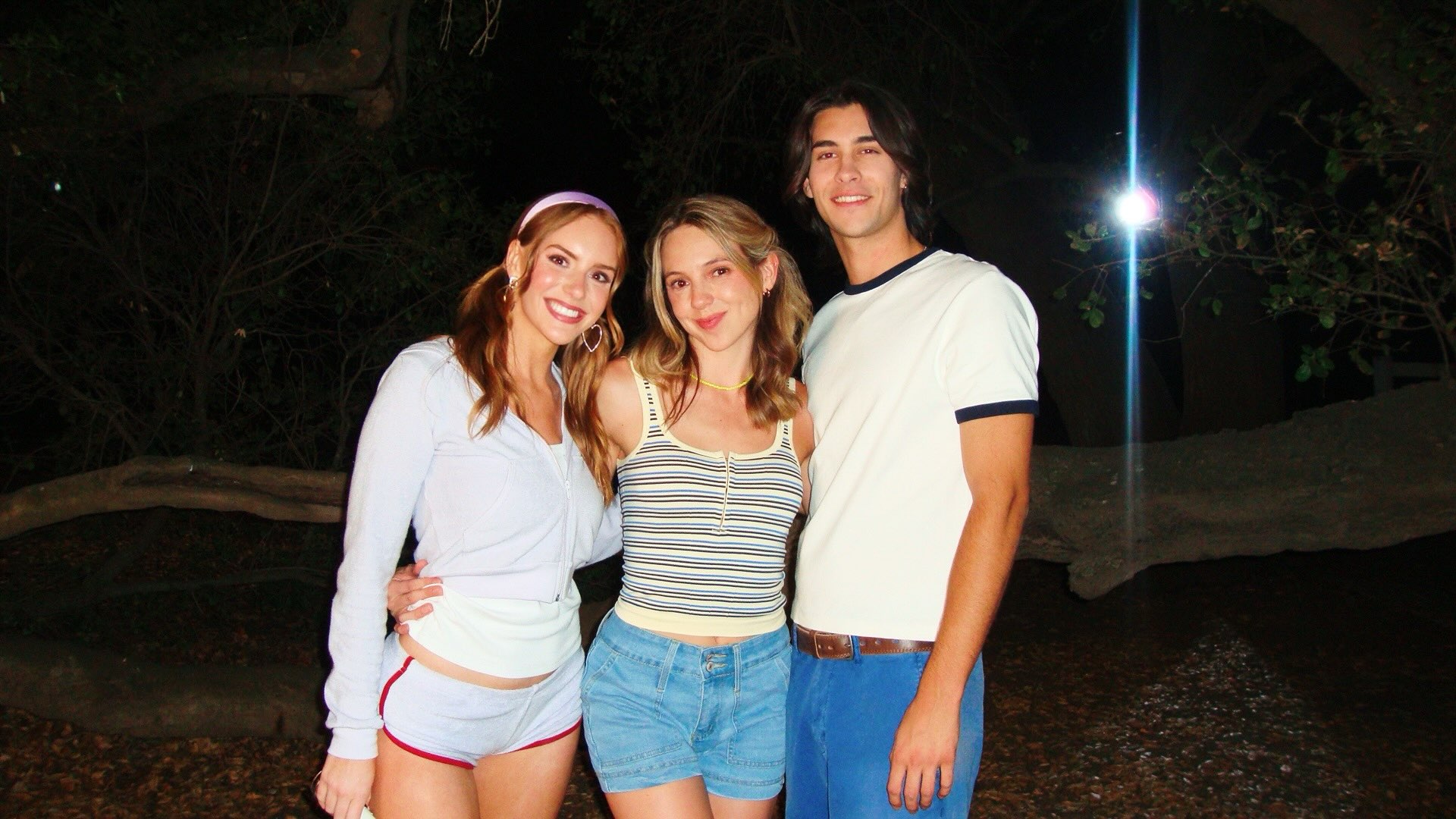
Two people who are proof of that are Luke Dodge and Cayla Brady. Micro-drama royalty, both of them, all over the YA productions. Browsing Dramabox, I almost scrolled past Fake Dating My Summer Rival because of the poster. But my phone noticed, and I turned it on in a moment of extreme insomnia. Best 3 a.m. decision I’ve made in a while. Because underneath the outrageous, glorious mess of it, this one is about something tender: figuring out who you are when the world has already written your story for you.
Here’s the premise, and then I promise we’re done with plot: scholarship camper Audrey Taylor returns to the rich-kid summer camp that once expelled her, and fake-dates Noah Rhodes — the hot heir who helped ruin her childhood — to get revenge and survive her cheating ex, his vicious rich-girl ex, and his classist family. When the fake summer fling turns into real love, her Stanford dreams are at risk, and Noah gives up everything to choose her.
Now let’s talk about what this story is actually doing. Because it’s doing a lot.
The wound that never healed
Audrey has never been ashamed of where she comes from. She takes pride in her work ethic, in everything she’s built with her own two hands. But when she was a kid, a pack of rich kids decided she was a joke and gave her a nickname — dockrat — and that word stuck to her like a burr. It’s such a small, stupid cruelty, the kind adults would call “kids being kids,” and it rearranged her entire life. Because that’s what bullying does. It doesn’t just hurt in the moment — it installs a fear. And Audrey’s fear is specific and aching: that rich kids are going to make fun of her. Not might. Will. She walks into every room expecting the laugh before it comes.
That fear is the engine of this whole drama, and it’s what makes Audrey so much more than a “scholarship girl” archetype. Her bitterness isn’t a flaw the story punishes her for — it’s armor. And the arc is about what happens when someone starts taking the armor off, rivet by rivet, and realizes the body underneath has been changing the whole time. Self-discovery in this story isn’t a montage. It’s the slower, scarier work of asking: who am I if I’m not just the girl who survived? Who am I when I stop performing toughness and just… feel things?
That’s why her fight to stay away from Noah isn’t really about Noah. Being near him changes her, and she hates losing control. Falling for a boy who was there when she was humiliated means risking the wound reopening — and the drama is smart enough to know that the opposite of heartbreak isn’t love. It’s the willingness to be hurt again.
Heartbreak, examined
And speaking of heartbreak — this drama actually understands it, plural. There’s the loud one: Grayson cheating on her, the betrayal you can point at. But the quieter heartbreak is the older one, the one that never got a funeral: the grief of a kid who learned that people can be cruel simply because they can, and who never received an apology for it. Audrey carries it the way real people carry grief — silently, for years, until it shapes the way she loves and the way she flinches.
What moved me is that the drama lets both heartbreaks sit on screen without resolving the old one too quickly. Forgiveness isn’t handed out like a participation trophy here. The past is something Noah regrets but doesn’t know how to hold; it’s something Audrey holds too well. For her, that dockrat moment made her isolated and bitter. For him, it became a regret with no address to send it to. Same fire, two different burns. That’s the angst of it — two people shaped by the same afternoon, one running from it, one trying to run toward her.
Joss Gyorkos plays Grayson, and if there’s one thing I know, it’s that Gyorkos knows how to play the villain. Cheerleader and the Beast, My Boyfriend Gave My Virginity to His Bro, Boat Janitor Strikes Back — the man has a résumé of characters you love to hate. And that’s not a bad thing. If an actor can make you feel something — anything — he’s doing his job. Not all do. Same for Jessica Jacoby, who plays the villainess with such delicious selfishness that I despised her and still kept a tiny candle lit hoping she’d find redemption.
They didn’t. They just kept getting worse, like ice cracking. And honestly? The drama is right to refuse them an easy out. Because here’s the line this story keeps drawing, and it’s the one I’ll defend: it is not okay to bully people. Wealth doesn’t make cruelty cute. A mansion doesn’t launder a mean streak. The villains here aren’t villains because they’re rich — they’re villains because they use power to hurt people, and the drama says plainly, without flinching, that’s not okay.
Noah’s fierce protection
Now. Luke Dodge‘s Noah. The boy you don’t want but you do — because he lets you be yourself, which is somehow the most attractive thing a fictional boy can do.
Noah’s love language is fierce protection, and the drama is careful about what that means. People try to take Audrey’s security and sharpen it into insecurity — and every single time, Noah steps in front of it like a wall. But here’s the distinction worth sitting with: he protects her without fighting her battles for her. He proves over and over that he wants to move past the past while still giving her the space to feel everything she needs to feel. That’s the difference between protection and possession, and so many romances get it wrong. Noah doesn’t try to fix Audrey. He stands where she can see him while she fixes herself.
He doesn’t hide his feelings well — they leak out of him constantly — and it knocks Audrey’s whole thought process sideways. Others may not like her. Noah keeps reminding her it doesn’t matter, that she’s worth it, that they see each other. There’s a scene where she meets his parents and stands up for him, and her strength and bluntness remind you of the courage it takes to make things better — the same girl who flinched at rich kids’ laughter, using her voice as a shield for someone else.
And yes — were they together because of a deal? Yes. But you know from the very beginning, by the way they look at each other, that the deal is just the catalyst. A pretext the universe handed two people who were always going to collide.
Yearning, angst, and the female gaze
When they finally realize who the other is, they’re suddenly repulsed — after spending the whole rebound situation unable to keep their hands off each other. And as much as that whiplash drove me insane, I also loved it. Playing yearning and angst is never easy, but when it’s done right it captivates everyone watching. Dodge and Brady do it right — the push-pull, the I-hate-you-I-don’t, the way longing can look like anger if you squint.
And what felt different here, what I keep thinking about: we didn’t only see it through the male gaze. We see it through the female gaze too. Her wanting matters as much as his. Her hunger is the camera’s subject, not set dressing. For a genre that so often films desire at women instead of with them, that’s not a small thing.

Cayla Brady does such a gorgeous job playing both sides of Audrey’s personality. She’s the girl next door — that’s how I see her — relatable in a way that comes across in every role she takes on. Audrey may be nothing like you, and yet somehow she becomes you. For me it was remembering my own indecision in relationships — that awful, addicting limbo of almost. And then even when she doesn’t want it to, her feelings show. Brady lets you watch the armor fail in real time.
Dodge, meanwhile, plays the boy every girl wants, but what I loved is the vulnerability underneath — his love for Audrey shining through every action like light through blinds. It’s not swagger. It’s devotion. More of this, please.
The strength in friendships
And here’s the thing I want more verticals to understand – Audrey doesn’t survive this summer alone. As much as this is a romance, the strength in herself and her motivation is what holds her up — the people who see her, choose her, and reflect back the parts of herself she can’t see yet. The way that Noah sees her. Self-discovery doesn’t happen in isolation. It happens in the eyes of people who love you. That’s the quiet backbone of this story, and I wish more dramas invested in it. The romance is the firework; the friendship is the ground she’s standing on when it goes off.
The hill I’ll keep standing on
Part of the fun of these dramas is that they’re outrageous — and this one is, gloriously, watching-some-of-these-people-through-my-fingers outrageous. But I’ll keep standing on my hill: violence doesn’t need to be in so many of these. Slapping people is not necessary. There are other ways to move a plot forward. We all get it — someone is going to step in and save someone. Find another door, writers, the window is right there.
And as verticals rise in popularity, there’s a responsibility to up the game: less violence, more of the real things that happen as people find their way to each other. More angst, more open conversations, more understanding. Fake Dating My Summer Rival isn’t perfect about that — but its heart is in the right place. Because at its core, this is a story about a girl learning who she is when she stops letting other people define her, and a boy who protects her right to find out.
The deal brought them together. The love made her stay. But the ending that rings truest isn’t Noah giving up everything for her — it’s what Audrey stops giving up for everyone else. The girl who walked into that camp rehearsing her own smallness walks out taking up space: in the relationship, at the camp, in her own life. The nickname they gave her was supposed to shrink her. Instead it became the thing she survived.
That’s the love story underneath the love story. It’s worth staying up past bedtime for.
