A lot of times people outside of the entertainment business, even those who constantly consume the content, will hear the word producer and think: Oh, yeah, that’s an important person who does… something. What exactly does a producer do? Most people do not know. And most people really, really should.
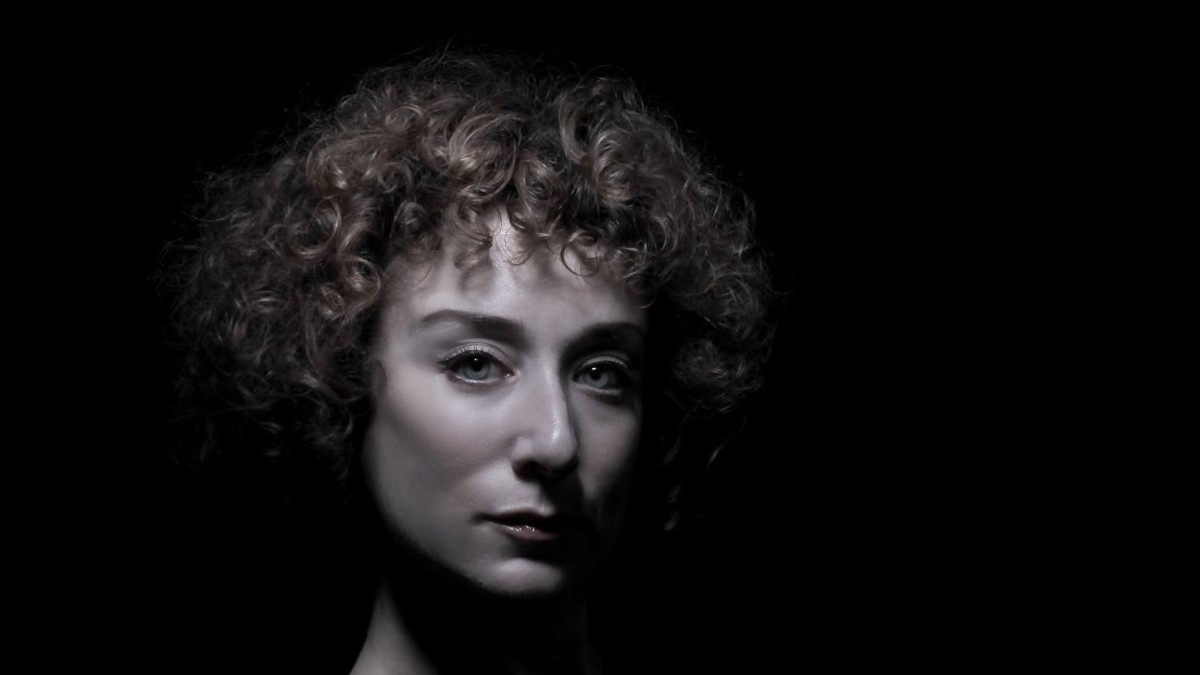
Fangirlish had a chance to talk to Lori Tilkin deFelice, who was a producer in John Woo’s The Killer and we discussed what exactly a producer does, why the movie had a female lead, and being a woman in an industry where most producers are men. Ironically, as we got into the conversation, Tilkin made it clear she understands how confusing it can be to understand what exactly she does.
“As a viewer, it can be overwhelming to see a long list of producer names scroll across the screen and wonder what exactly they all did,” she told us but then went on to break it down. “Essentially, different people contribute at various stages of production. Some names belong to those who helped finance the film but were never involved on set, while others may have had early involvement and retained legal rights to the credit, despite little influence on the final product. It’s common now to see the credits reflect a “flowchart” of the film’s journey from concept to release.”
MORE: What did we think about The Killer? Here’s our review!
Her journey on John Woo’s The Killer was very particular. “I’ve had a special connection to this film for over 20 years. Before I joined the company, John and his producing partner at the time, Terence Chang, had this project set up with Columbia TriStar. Creative challenges stalled progress, so the rights reverted back to John and Terence. That’s when I became involved. Terence and I explored various options to breathe life back into the project, from independent financing to meeting with actors and directors both here and abroad to build momentum.”
That’s not where her work ended. In fact, it was kind of where it started. “Along the way, I collaborated with writers Josh Campbell and Matt Stuecken, and eventually, we were able to get the project to Universal. We were fortunate to bring on Brian Helgeland to further revamp the script, and that marked the turning point.”
For perspective, all of this is before production even started. “Once we knew the production was moving forward, I reached out to John’s core team—his weapons master, stunt coordinator, and 1st AD—to ensure he had the people he trusted, and then casting got underway. My role further evolved into managing the process with the studio, which involved helping assemble and overseeing the production team, while safeguarding John’s vision and ensuring the studio’s needs were met. A typical day during pre-production in Paris could be reviewing music and casting tapes or location scouting to meeting with fish and pigeon wranglers!”
MORE: We discuss why The Killer isn’t just a remake here!
So, basically, a little bit of everything?
“One particular highlight was a dance sequence in the film, which allowed me to collaborate with the talented choreographer, Seda Aybay, to create a clever way to incorporate assembling a weapon into the choreography in a way that our killer could mesmerize her opponent through her dancing so that he never sees the blow coming. So as a hands-on producer, I was involved in it all — from script development through casting to reviewing stunt designs and observing action rehearsals to being on set to make sure everything goes smoothly.”
Tilkin’s influence extended to, perhaps, the biggest change about The Killer remake – the female lead. Talking about that came to pass, Tilkin deFelice explained, “After years of developing the project with a male lead and offering the role to various actors backed by independent financiers, Josh Campbell, who had written our first draft, proposed a bold idea in 2015: flip the lead to a woman. This was a radical shift. When I pitched the concept to John, his enthusiasm soared—he had initially been reluctant to direct the remake, but now, reexamining the story from a fresh perspective gave him a renewed sense of purpose. As a long-time fan of the original, I was thrilled to be part of this remake, which brought a new and exciting dimension to the material.”
When asked what she looks for in a project, Tilkin deFelice was clear. “What truly matters to me is finding a strong creative vision that’s told in a unique way and resonates with me. While the medium may change from project to project, the story and perspective need to be special enough to spark inspiration and creativity. That’s what drives me, regardless of the format.”
MORE: You can also catch Nathalie Emmanuel in The Invitation! Here’s our review.
For Tilkin deFelice getting to do all of this, leaving her mark, is very important, particularly as a woman. In reflecting on this, Tilkin said “In any industry, especially one as competitive and fast-paced as Hollywood, you will encounter people who feel threatened by your talent and refuse to treat you with the respect or intelligence you deserve,” but also added, as a sort of advice for others that it’s important not to “lose faith.”
“Keep your focus on your work and stay committed to your vision. There are still talented and genuine people out there, and while it may take time to find them, they do exist. When you do, the collaboration will be rewarding, and you’ll achieve success on your terms. As for those who try to undermine you, ignore them, focus on your own story, and let the miscreants be damned. “To hell with Lindbergh!””
There’s a story behind that phrase, one that Tilkin deFelice shared with us. “I had the privilege of working with John Malovich, a talented writer who recently passed, and much too soon. John was crafting a scene with a character so consumed by jealousy toward Charles Lindbergh that he became tongue-tied, unable to articulate his feelings. In his frustration, he could only shout, “To hell with Lindbergh!” The character would later use it as a war chant when times got tough, and it was really funny because it was always wildly out of context each time he blurted it out.”
For Tilkin deFelice, however, there was more there. There always is. “It was a clever device as a mental reset. It represented the understanding that you don’t need to compete with others. Just focus on being the best version of yourself, as your only true competition is with you. That phrase has since become a rallying cry in my household. It’s moments of brilliance like this that make material truly timeless. Lines that transcend their original context and era, embedding themselves in a new time period, expressed in a completely fresh way.”
And finding that and making sure it gets to us, well …that’s what Lori Tilkin deFelice does.
John Woo’s The Killer is available to stream on Peacock.
