
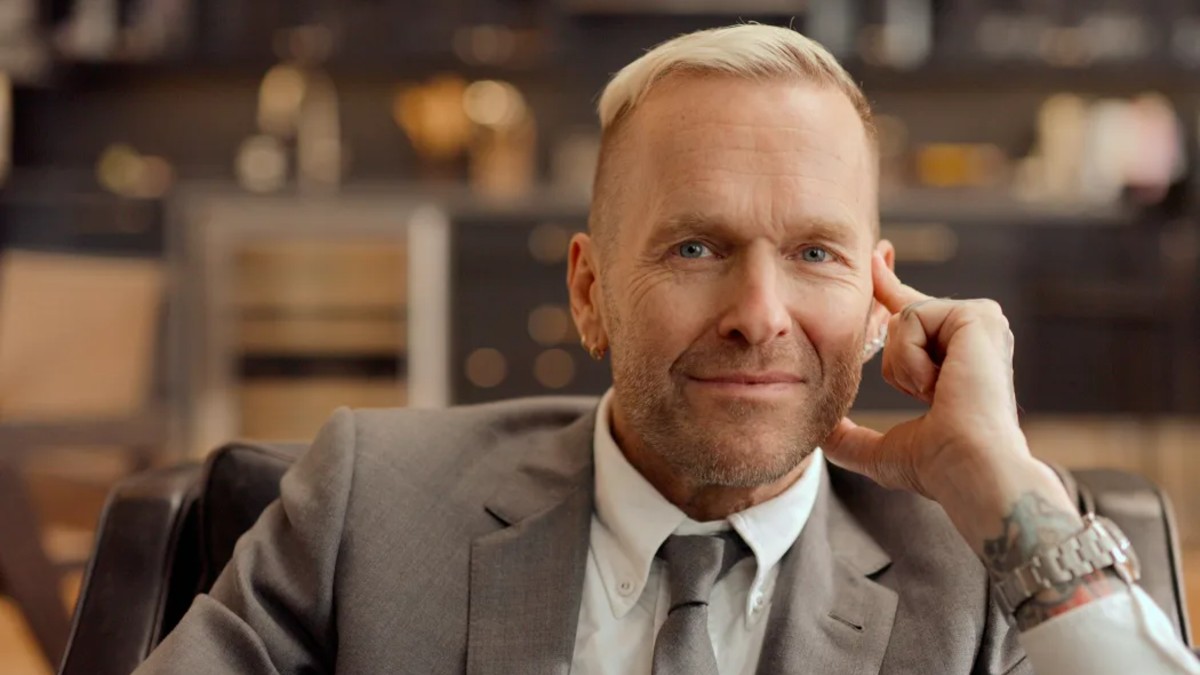
Fit for TV: The Reality of the Biggest Loser is, at times, an illuminating and at times heartbreaking docuseries about the behind-the-scenes of one of the most famous reality shows on TV. The Biggest Loser was often considered the “good kind” of reality TV, and yet the show proves how very wrong we were to ever think so. And perhaps, how naïve we were, too.
Back when The Biggest Loser aired, I remember this push for “motivation.” The fact that what that motivation looked like was different for everyone didn’t really occur to anyone. There was just one way to do it, and that was tough love. And, well, if you had to be shamed a little bit for it, so be it. We all willingly subjected ourselves to the shame or to the tough love because we thought the results were worth it. The weight loss.
Countless eating disorders and injuries later, it’s easy to see that they’re not. In that regard, Fit for TV: The Reality of the Biggest Loser does a really good job at presenting differing points of view about the value of the show, but leaving you with one clear message: the show’s way isn’t *the* way. It never really was.
Part behind-the-scenes documentary, part attempt at defense of the show’s legacy, and sprinkled with some drama—from both the contestants and the trainers—the docuseries is a pretty easy watch, particularly for those drawn to the format. If you have ever watched The Biggest Loser, even casually, this will probably end up being interesting. And if you were obsessed with the show, as many of us were back in the day, this one’s a must.

MORE: Could the internet stop fat-shaming Jennifer Love Hewitt, please and thank you
This, however, is no tell-all. Sure, we find out Jillian Michaels was the “only” person related to The Biggest Loser who didn’t get in touch with Bob Harper after his 2017 heart-attack (Jillian, how dare you?), but we don’t get too much gossip about the relationship between the two, which was at the center of the show for years. And though there is a focus on a few interesting contestants we remember and some context on some of the stuff we saw, this is anything but comprehensive.
For example, despite the fact that her story is featured in the third episode, we don’t hear from Rachel Frederickson, whose weight loss on the show was so substantial that even Bob and Jillian looked taken aback back in the day. Of course, it makes sense that Frederickson, who isn’t really active on social media, wouldn’t have wanted to subject herself to the scrutiny. But that does leave the show trying to present a comprehensive view of the show, feeling somewhat like it’s telling an incomplete story.
And then there’s the absence of Michaels. Always a somewhat controversial figure, coming on the documentary would have probably meant defending herself over and over again. But without her, it’s hard to really grasp with the mistakes of the past, or even the mistakes of the present. Harper, for better or worse, is there to explain his decisions, his reasoning, and take ownership of what happened.
Overall, Fit for TV: The Reality of the Biggest Loser is still worth watching for anyone interested in the behind-the-scenes of reality TV, and the dark side of the “health industry.” But don’t confuse this with a comprehensive look at the show or at the health craze that has taken over the US. This is just a slice of the pie we probably shouldn’t eat. And not even the best part.
Fit for TV: The Reality of the Biggest Loser is now streaming on Netflix.
