
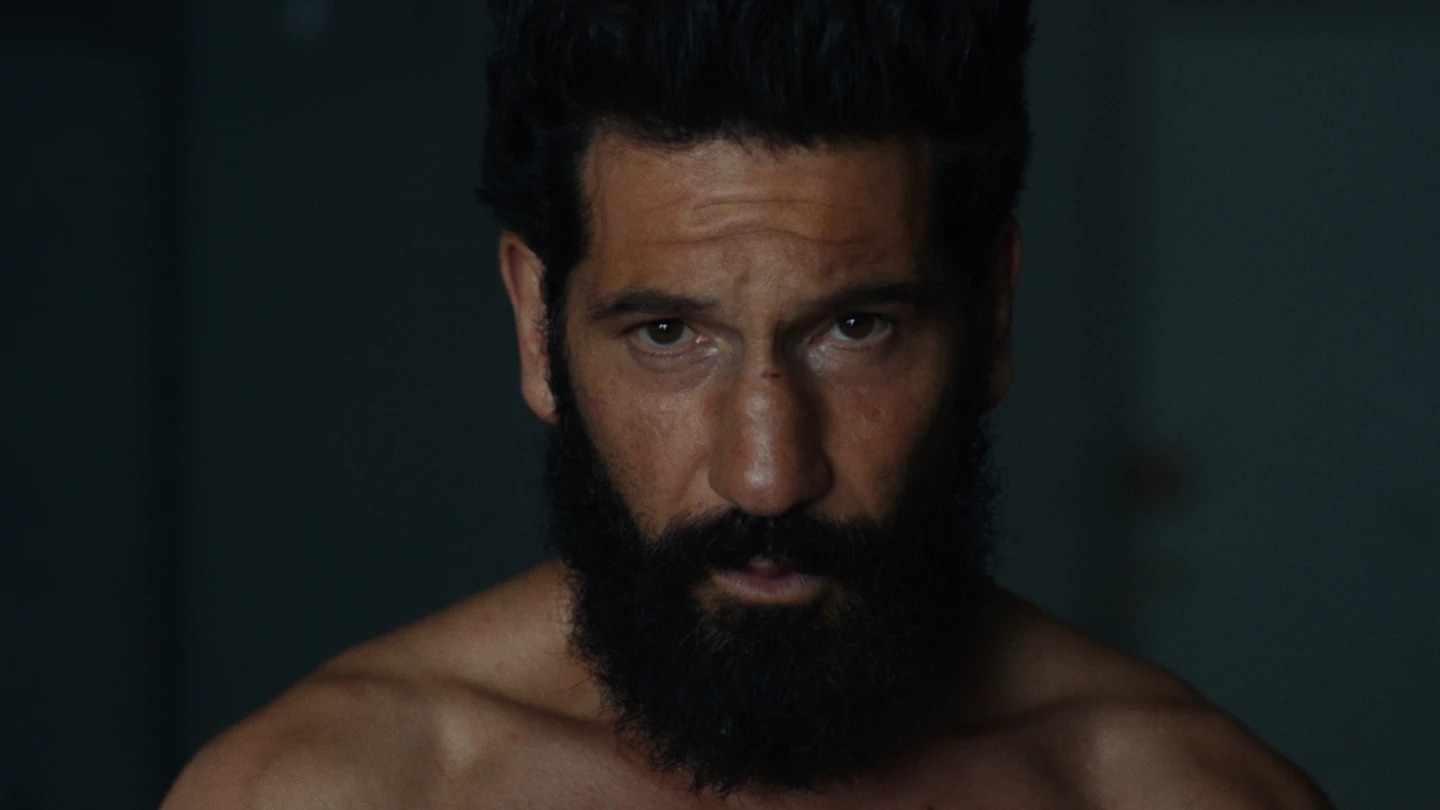
Frank Castle isn’t the type of person to hold back, and Marvel wasn’t afraid to embrace that in its The Punisher: One Last Kill special presentation.
Last seen in Daredevil: Born Again season 1, Jon Bernthal reprises his role to tell a story that never shies away from the horrors of being The Punisher. Full of violence and trauma, the one-shot becomes uncomfortable in the way Punisher stories should. It’s well-done, enjoyable and clearly made with care of the character in mind.
But even with agonizing emotion and compelling action, the short special also adds nothing new to Frank’s MCU narrative….
Haunting and Heart-Wrenching

The Punisher is defined by his grief and post-traumatic stress disorder, and The Punisher: One Last Kill does a great job of showing that. Frank has been hallucinating people he knows and cares for: Curtis Hoyle, fellow Marines and even Karen Page. These visions don’t happen to provide comfort or to help him cope, though. They torture him. They are extensions of the peace he can never achieve and a life he will never have. The most telling (and concerning) hallucination of them all is of Frank’s deceased daughter, Lisa.
Frank’s suicide ideation is at its worse when he visits his family’s graves at the cemetery. Having taken out the Gnuccis, the last people left responsible for the death of his family, he has no purpose and no reason to live. Bernthal captures the sheer anguish and misery of Frank’s deteriorating wellbeing so well in that moment. It’s difficult to see him admit, “I’m tired,” and then hold a gun to his head. When Lisa does shows up, he’s momentarily saved, getting a false sense of hope. Once she disappears, he immediately begs for her to come back. It’s an effective way to depict the depth of Frank’s grief and the raw emotion that drives the first half of the story.
Frank’s Never-Ending Fight

Violence is a nuanced tool in The Punisher: One Last Kill. If grief and emotion are what burden Frank, then death and violence are what give him the closest thing to stability. Frank has a sense of control and focus that’s sadly and frighteningly present only when fighting and killing others. It’s the only way he can plausibly cope. That contrast is made clear by the project being split into two acts: the first being about grief and trauma and the second being about violence and the endless cycle of vengeance.
The violence itself is gruesome and excessive but not in a way that feels forced or unnecessary. The fighting sequence is engaging and versatile. There are moments that will make you flinch, and there are instances where you can’t help but be impressed. For anyone craving the unapologetic bloodshed of a Punisher story, then this is the project to watch.
The story comes full circle with the combat and gunfire. The action brings the story back to emotion and Frank’s (new) motivation. It explains how his purpose will always be to fight — not just in a literal sense or to stay alive, but to honor his family. His idea of honoring his family, however, is a tortured one, because he’s a tortured individual.
The Shortcomings of The Punisher: One Last Kill
The Punisher: One Last Kill succeeds in providing context for who The Punisher is, how he thinks and what motivates him. But the Marvel Television Special Presentation doesn’t add anything to Frank’s story.
It doesn’t provide backstory or insight that the original Daredevil and The Punisher series haven’t covered already. The one-shot feels like a CliffNotes version of The Punisher for fans who have watched solely Marvel Studios projects and not also the original Daredevil and The Punisher series. The special presentation is an easy, concise introduction to the character for those who need one.
That’s not to say it isn’t good or enjoyable otherwise for those with preexisting knowledge, but The Punisher: One Last Kill can leave more to be desired. Because the insight to Frank’s trauma and violence is nothing new. It just rehashes storylines that have already been told.
The special does give him one more people left to kill, Ma Gnucci, to fulfill the mission of avenging his family. But the implication was Frank had done that already in The Punisher series. The Punisher: One Last Kill just features the Gnuccis as an extension of that storyline to explain Frank’s motives in this reintroduction. The lone benefit of that is, should The Punisher get anymore projects, Ma Gnucci is already set up as a potential antagonist for him.
The one-shot also more explicitly sets The Punisher up as a protective anti-hero figure. He’s still in Little Sicily but he’s no longer hiding out. He’s watching out for families and innocent people from harm by killing those who endanger him. Past projects already implied that motive. So this presentation doesn’t feel as essential or formative for the grander Punisher narrative.
Beyond that, Frank’s Karen hallucination is arguably the only other aspect that adds to his story. When he sees Karen, she’s wearing the same black hoodie that his wife, Maria, wears when he envisions her. It’s an indirect confirmation of how Frank views Karen romantically, and that’s surely a treat for Kastle shippers. However, again, this isn’t really new. Ideally, this special presentation should be able to act as a soft reboot/refresher for The Punisher while effectively growing the character and his story. And that’s where it fails.
The Punisher: One Last Kill is now streaming on Disney+.
