
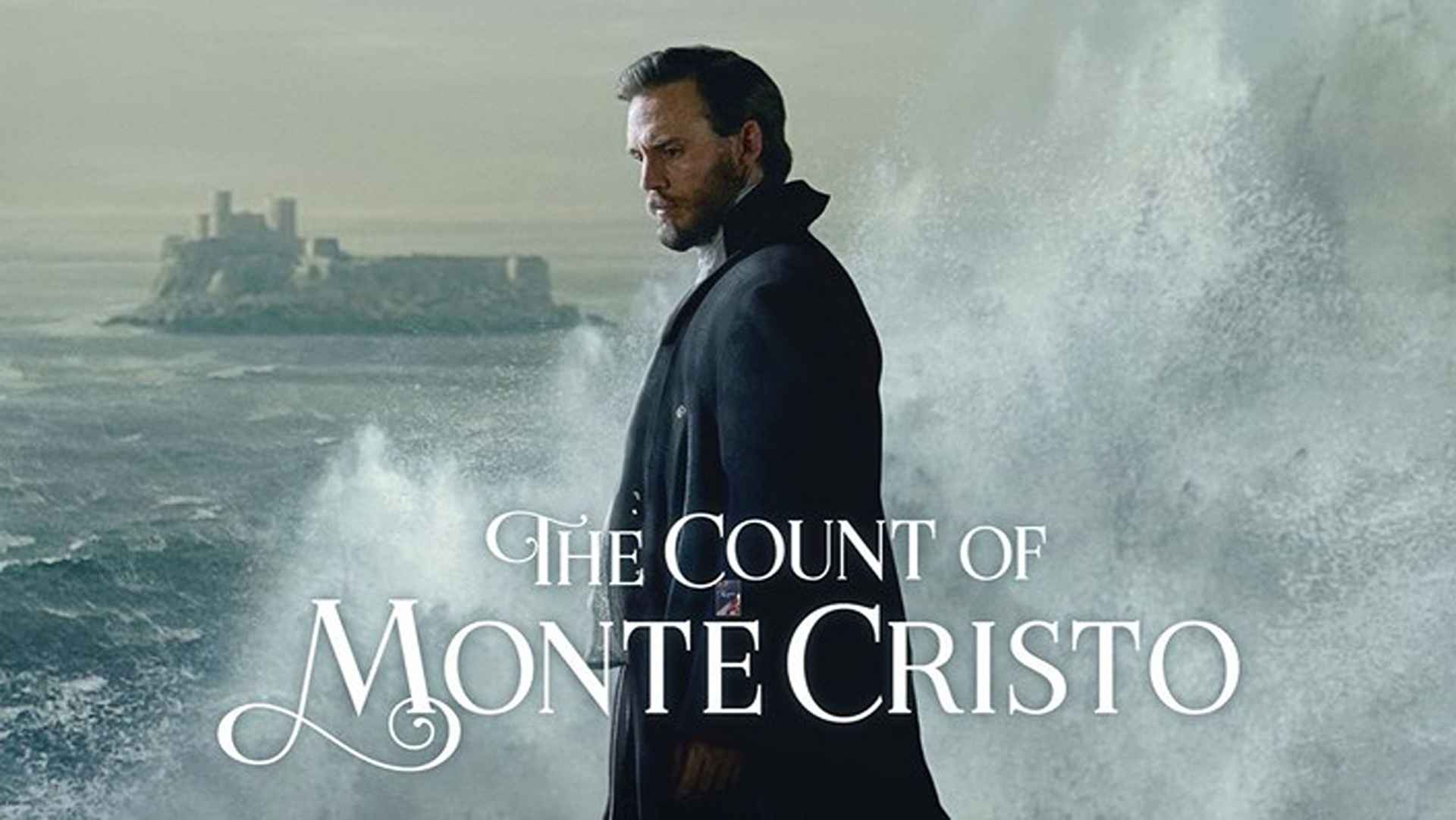
Most classic works of literature, like Alexandre Dumas’ The Count of Monte Cristo, have multiple screen adaptations to choose from. When a new one appears, I ask myself if it is worth the time compared to previous versions. I think the new adaptation airing on PBS is worth it. The Count of Monte Cristo is a universally entertaining story, and the new version transfers the drama and excitement of it to the screen with beautiful production values and a superb cast.
MORE: Want another PBS period drama to enjoy? Read our review of Miss Austen!

“The difference between treason and patriotism is only a matter of dates.”
The first thing we need to remember about this novel is that it is very long. Like, over 1000 pages long! That means any adaptation will necessarily have to abridge the story, and certain events will have to be cut or shifted to fit into the running time of the movie or series. A wonderful thing about this series is how faithful it manages to stay to the novel. Of course, the writers made small adjustments, but they are choices that make sense and support the overall positive tone that the resolution of the narrative strives for.
To begin with, the general foundation of the plot is the same. Edmond Dantes (Sam Claflin) is a young merchant sailor in 1815 Marseille, France, about to marry Mercedes (Ana Girardot), when he is falsely accused of treason. He spends almost 20 years in the notorious Chateau d’If prison. Another prisoner, the Abbe Feria (Jeremy Irons), teaches him many useful things and gives him the map to a vast treasure. The Abbe’s death leads to Edmond’s escape. He then sets out to exact justice upon the three men who lied about him: Fernand (Harry Taurasi), Danglars (Blake Ritson), and Villefort (Mikkel Boe Folsgaard). Revenge is a classic theme. This story presents it thrillingly.
MORE: To compare this series to a film version of The Count of Monte Cristo, read our review of the 2024 French adaptation!

“I don’t think man was meant to attain happiness so easily.”
Another highlight of the screenplay here is the way the plot is paced. Eight episodes allow for many of the details of Dumas’ storytelling to take their place on screen, and the narrative lends itself very well to an episodic format. For example, this series has the time to dramatize the other evil deeds done by the men who betray Edmond. They didn’t just frame an innocent man. They cheat on their spouses, attempt infanticide, commit insider trading, and do other terrible things. There is a lot of the kind of juicy melodrama that 19th-century novels specialized in here, and this show makes use of it without feeling excessive.
The changes the writers made were also effective. In the novel, Danglars gets off a bit too easily, but here, he faces a more appropriate fate for depriving someone of their freedom over mere jealousy. I also like that the writers didn’t follow through with a certain subplot from the novel that I won’t spoil. I’ll just say I am not a fan of the age gap trope in romance, so this change was fine by me. The writers did keep the hint of LGBTQ representation that Dumas included in the novel, and the casting is diverse, both of which are beneficial to the depth of the storytelling.
MORE: If you love period dramas like we do, read our thoughts on how The Gilded Age and Downton Abbey can cross over!

“All human wisdom is contained in these two words– wait and hope.”
Actually, the actors in general are a highlight of this adaptation. Edmond Dantes is an incredible character. His arc is a compelling one, maturing through suffering to confront where the line is between revenge and justice. Claflin does a wonderful job of portraying Edmond’s inner conflict and growth. The Gilded Age fans will enjoy seeing Ritson here while we wait for season 4 of that show, and Irons is always so good. He makes it look effortless. He makes you wish the Abbe had a bigger role. It is also remarkable that so many supporting roles are filled with interesting actors. The casting directors did outstanding work.
Aside from all that, the production design is gorgeous. The Mediterranean locations are so photogenic that they made me almost cry! (Why must travel be so expensive that I’ll probably never see these places for myself? Why?!?!?) Both the natural scenery and the architecture are just beautiful. Also, many interior scenes take place in huge, cavernous rooms with massive paintings on the walls, all of which reinforce the sense of a larger force overshadowing everything. It is a cohesive detail of this adaptation, and it is one of the things that make this version of The Count of Monte Cristo a wonderful period drama series.
The Count of Monte Cristo airs Sundays at 10 PM on PBS and all episodes are streaming now on PBS Passport.
