I’ll be the first to say it’s a strange thing for me to be here, reviewing this. Anyone who knows me will tell you I’m not a horror person. But I come by my ‘dislike’ of horror honestly, I grew up with The X-Files and then was gently dragged to horror film after horror film by my sister and my partner for years. At one point, I rebelled. Now, I just like to be contrary. So I don’t want things in the genre all that much anymore, but I know it well.
But I have a particular affinity for shorts, and I was curious about what Connor Storrie had done here, so I bit the bullet. I figured, if it’s too scary or I’m not enjoying it, well, I can just stop watching. Little did I know I’d be both intrigued and properly disturbed by Coax, and yet be so in a way I find kinda interesting.
It’s a weird short! Let’s start there. But weird, in art, isn’t a bad word. In fact, in this case, I mean it as a compliment. Weird means it’s trying different things. Weird means it’s pushing the envelope. And weird means that even as I found myself a little apprehensive and even a little revolted, I was kinda into what was going on in a way that made me want to keep watching more.

Good horror isn’t about visuals only, though the visuals and the sounds and the atmosphere have to work; otherwise, the horror won’t click. You won’t be scared. You won’t walk out of whatever you’re watching with questions. Good horror, however, is about all those things and that lingering sense of ‘why did this have to happen?’ that is often more disturbing than seeing something visually frightening.
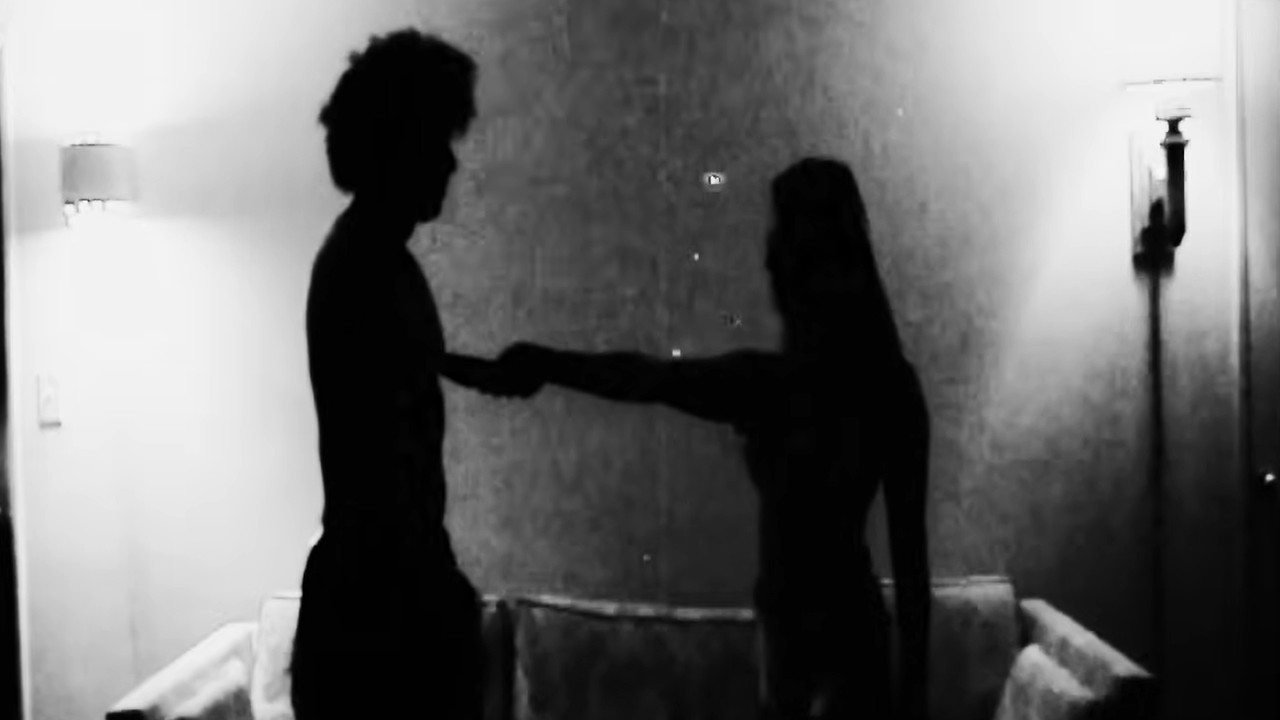
In that, Coax does a pretty good job, even if it’s more experimental horror than anything. Or perhaps it’s because it’s so raw that it ends up being interesting. The performances are understated, and the story isn’t too complicated, but it does a pretty good job of selling both vulnerability and the desire for connection that doesn’t always end in the best way. That, in and of itself, says a lot about Storrie as a director, particularly when we consider this was filmed in 2024.
Perhaps my favorite thing about Coax is that it’s not too heavy-handed. As a viewer who does this for a living, I appreciate art that allows me to interpret it how I want. Sure, there’s a very straightforward interpretation of what the character is going through and what she gains at the end: freedom. But there’s no right or wrong way to look at it. Often, this can be one of the hardest things for creative people to do: to understand that once the work is out there, it does not belong to them anymore. Our interpretation is as true as their intention.
Coax is a pretty interesting addition to Storrie’s filmography, and proof that he’s got a very clear idea of the kind of horror film he wants to do. If we’ve learned anything from the success of people like Kane Parsons (Backrooms) and Curry Barker (Obsession), it’s that having a clear vision that is distinctly yours puts you leagues above others. And it can often be the thing that guarantees your success.
You can watch the short film below:
